Introduction
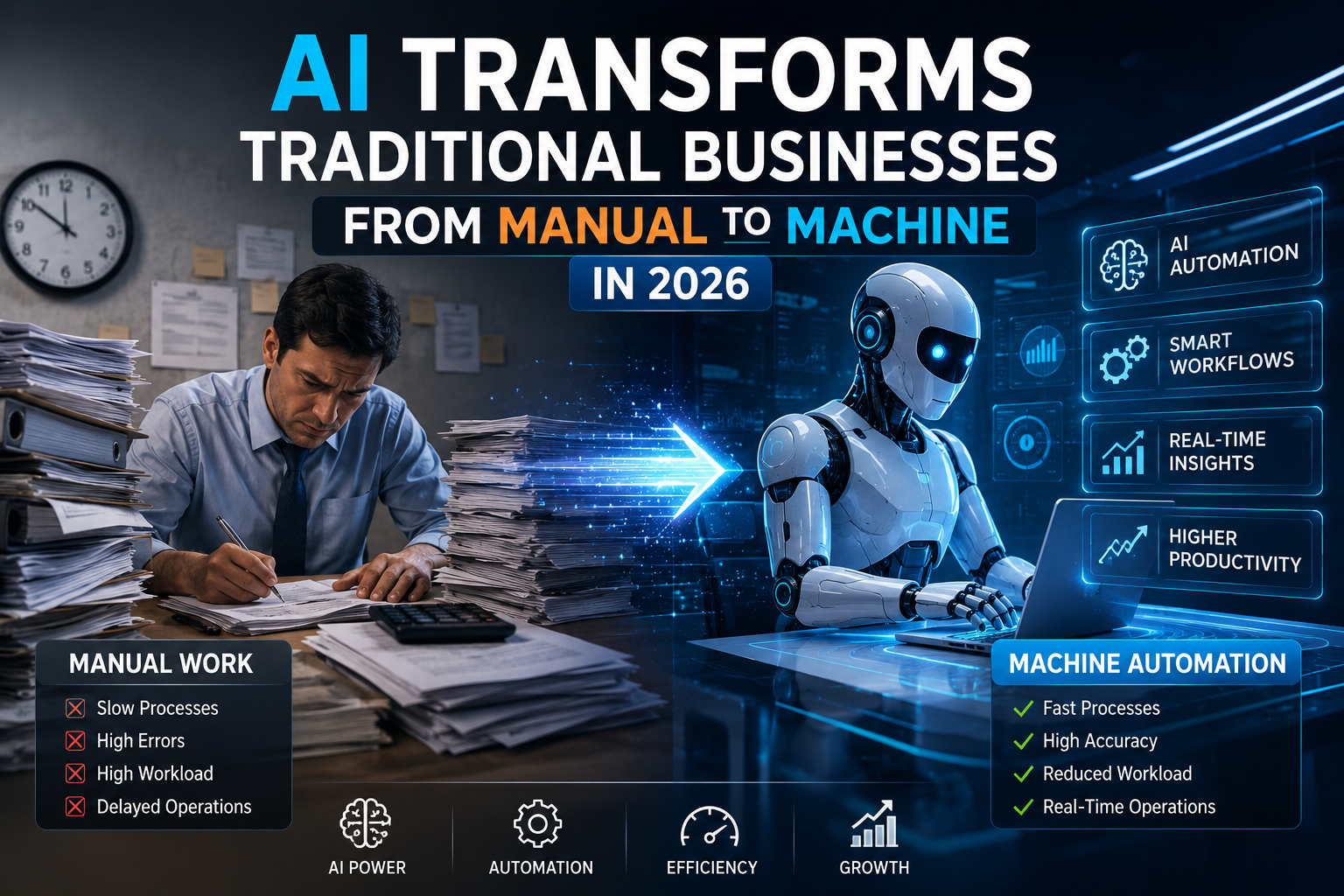
AI Transforms Traditional Businesses in a way that is redefining industries in 2026. For decades, businesses relied on manual processes, paperwork, and human-driven operations. These methods were time-consuming, error-prone, and difficult to scale.
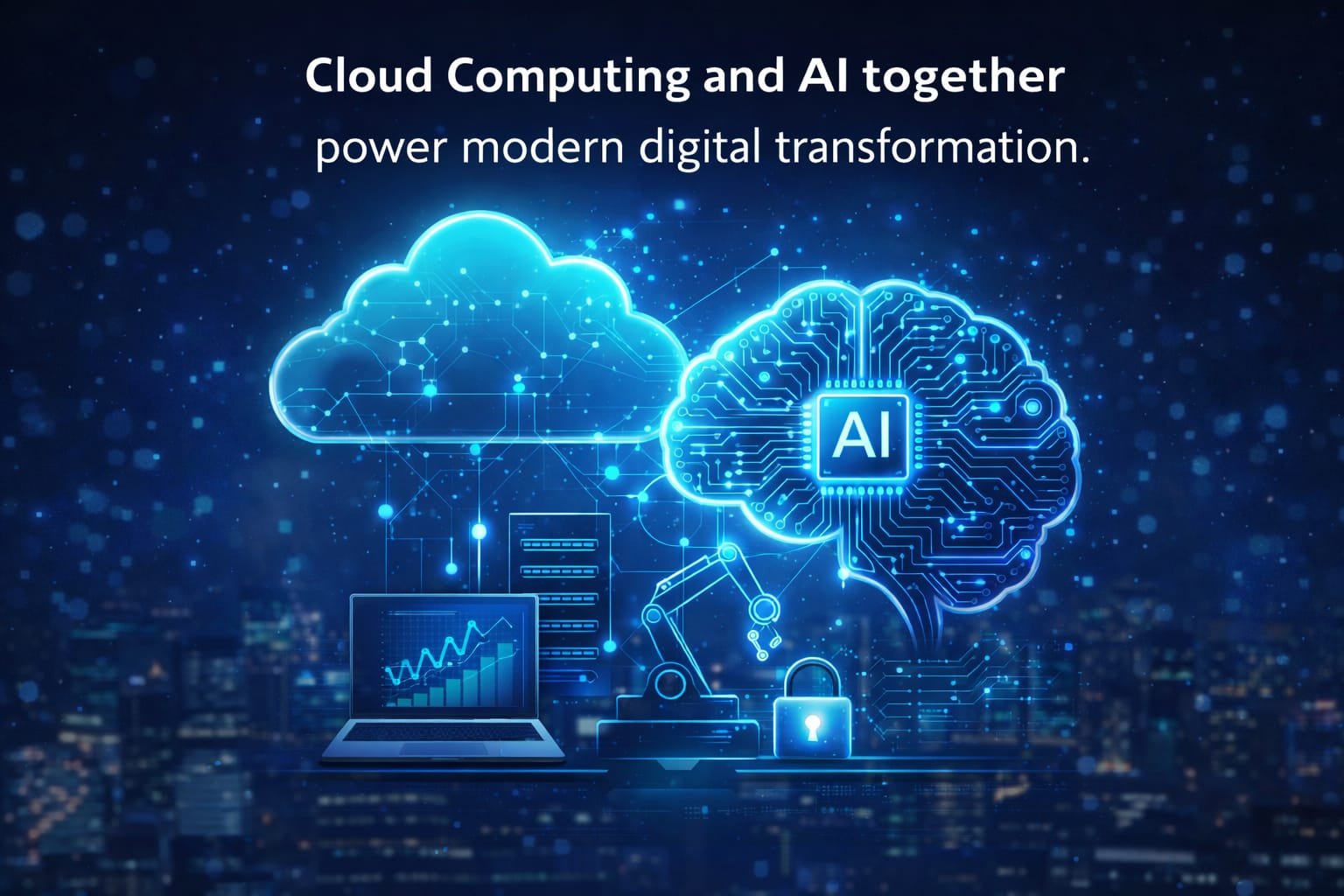
Today, artificial intelligence is changing everything. Businesses are moving from manual systems to automated processes where machines handle repetitive tasks, analyze data, and even make decisions.
This transformation is not just about technology—it is about improving efficiency, reducing costs, and creating a smarter way of working.
What Does “Manual to Machine” Mean?
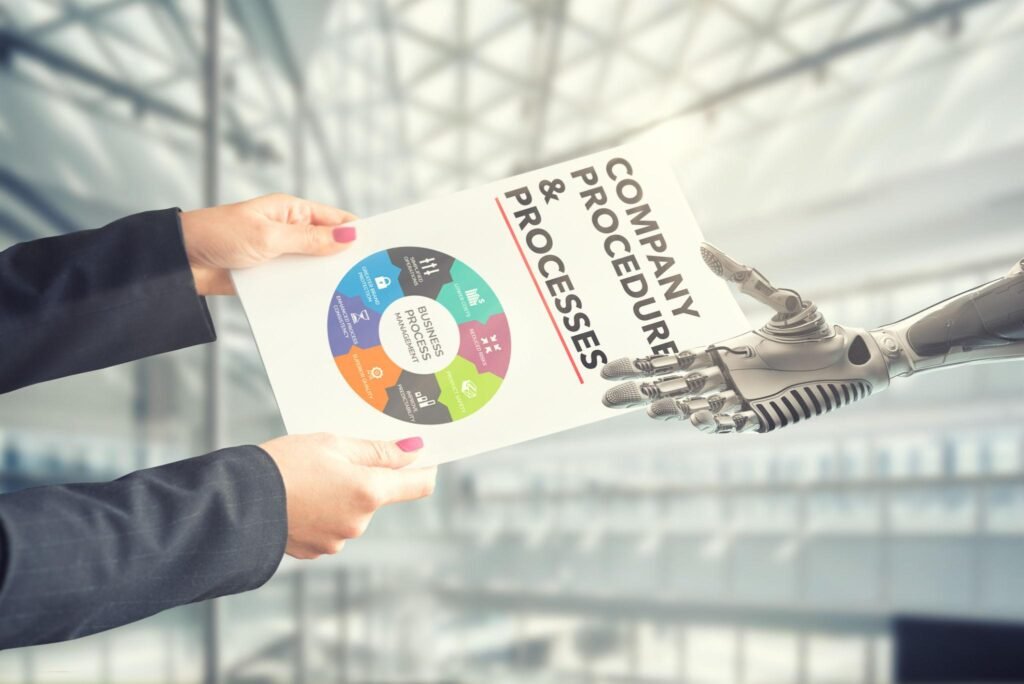
The shift from manual to machine refers to replacing traditional human-driven processes with AI-powered systems. Instead of relying on employees for repetitive tasks, businesses now use intelligent tools that perform these tasks automatically.
For example, tasks like data entry, reporting, and customer support can now be handled by AI systems. This allows businesses to focus on strategic activities such as growth and innovation.
How AI Transforms Traditional Businesses
1. Automating Repetitive Tasks
AI transforms traditional businesses by taking over repetitive tasks such as data entry, scheduling, and reporting. These tasks usually consume a lot of time and are prone to human errors.
With automation, businesses can complete these tasks faster and more accurately. This improves efficiency and allows employees to focus on higher-value work.
2. Improving Decision-Making
AI transforms traditional businesses by providing data-driven insights. It analyzes large volumes of data and identifies patterns that humans might miss.
This helps businesses make better decisions quickly. Instead of relying on guesswork, companies can use accurate data to plan strategies and improve performance.
3. Enhancing Customer Experience
AI transforms traditional businesses by improving how companies interact with customers. AI-powered chatbots, recommendation systems, and personalized communication tools create better customer experiences.
Customers receive faster responses and more relevant information, which increases satisfaction and loyalty.
4. Increasing Speed and Efficiency
AI transforms traditional businesses by enabling faster operations. Machines can process information and perform tasks much quicker than humans.
This leads to improved productivity and helps businesses complete operations in less time.
5. Enabling Business Scalability
AI transforms traditional businesses by making it easier to scale operations. Traditional systems often require hiring more employees to handle growth.
With AI, businesses can manage increased workloads without expanding their workforce. This makes scaling more cost-effective and efficient.
Benefits of AI Transformation
AI transforms traditional businesses and provides several important benefits:
- Reduced operational costs
- Improved accuracy and efficiency
- Faster decision-making
- Better customer engagement
- Increased growth opportunities
These benefits make AI an essential tool for modern businesses.
Real-World Example
Many retail businesses have adopted AI to manage inventory, analyze customer behavior, and automate sales processes. Instead of manually tracking stock, AI systems predict demand and optimize inventory levels.
This reduces waste and ensures products are always available, improving overall business performance.
Future of Traditional Businesses in 2026
In 2026, most traditional businesses will adopt AI to stay competitive. Companies that continue to rely on manual processes may struggle to keep up with fast-changing market demands.
AI will continue to evolve, making business operations smarter, faster, and more efficient. Businesses that embrace this transformation early will gain a strong advantage.
To learn more about AI, visit IBM Artificial Intelligence.
Why Businesses Must Shift to AI Now

The speed of business is increasing rapidly, and companies that rely only on manual systems often struggle to keep up. Adopting intelligent automation helps businesses stay competitive, respond quickly to market changes, and improve overall operational performance.
This shift is not just about replacing tasks but about creating a smarter and more efficient business environment. Companies that start early can adapt faster and build a stronger foundation for future growth.
Conclusion
AI transforms traditional businesses by replacing manual processes with intelligent systems. This shift improves efficiency, reduces costs, and enables faster growth.
Adopting AI in 2026 is not just an option—it is a necessity for businesses that want to remain competitive and future-ready.
You can also read our guide on AI-Driven Business Ecosystem to understand how connected systems automate business operations.