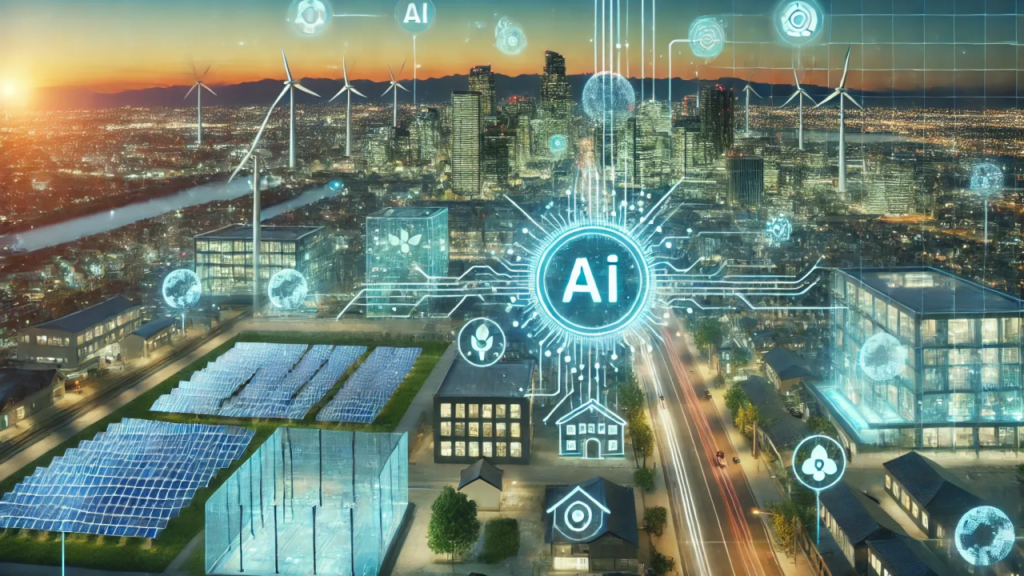
AI-powered energy optimization is the use of artificial intelligence to manage and reduce energy consumption in a smart and efficient way. It helps buildings, offices, and industries use electricity only when and where it is needed.
Traditional energy systems rely on manual control, which can lead to waste. In contrast, AI systems continuously collect data from sensors and smart meters, analyze usage patterns, and automatically adjust systems like lighting, heating, cooling, and machines.
By doing this, AI helps reduce energy costs, improve efficiency, and lower environmental impact. It is widely used in smart offices, factories, data centers, and modern buildings to create more sustainable and cost-effective energy usage.
How AI-Powered Energy Optimization Works
1. Data Collection
The system first collects data from different sources such as:
- Smart energy meters
- Motion and occupancy sensors
- Temperature and humidity sensors
- HVAC (heating and cooling systems)
- Lighting and machines
2. Data Analysis
- Find energy usage patterns
- Detect waste and inefficiency
- Identify peak usage hours
- Monitor equipment performance
3. Prediction Stage
- Electricity demand for upcoming hours or days
- High usage periods in offices or factories
- Energy needs based on weather and occupancy
- Possible system overload or inefficiency
Key Features of AI-Powered Energy Optimization
AI-powered energy optimization systems come with several intelligent features that help businesses monitor, control, and reduce energy usage efficiently:
1. Real-time Energy Monitoring
Continuously tracks electricity, gas, and water consumption using smart meters and IoT sensors, giving live visibility into usage patterns.
2. Predictive Energy Forecasting
Uses machine learning to predict future energy demand based on historical data, weather conditions, occupancy, and operational schedules.
3. Automated Load Optimization
Automatically adjusts lighting, HVAC systems, and machinery to balance performance and energy savings without human intervention.
4. Anomaly Detection
Identifies unusual energy spikes or equipment malfunctions early, helping prevent waste and reduce maintenance costs.
Advantages of AI-Powered Energy Optimization
AI-powered energy optimization provides several important benefits for businesses, industries, and large facilities by making energy use smarter and more efficient.
1. Reduced Energy Costs
AI identifies wasteful usage patterns and automatically optimizes systems, helping businesses significantly lower electricity and utility bills.
2. Improved Energy Efficiency
It ensures energy is used only where and when needed, reducing unnecessary consumption across lighting, HVAC, and machinery.
Conclusion
AI-powered energy optimization is transforming how businesses manage and control energy usage by making systems smarter, more automated, and highly efficient. Instead of relying on manual monitoring or fixed schedules, AI continuously analyzes real-time data to optimize electricity consumption across buildings, factories, and enterprises.
It helps organizations reduce energy costs, improve operational efficiency, and lower carbon emissions while also supporting predictive maintenance and better decision-making. As energy prices rise and sustainability becomes more important, AI-based energy management is becoming a key solution for modern businesses.
In summary, AI-powered energy optimization is not just a technology upgrade—it is a strategic approach that enables businesses to become more cost-effective, environmentally responsible, and future-ready.